

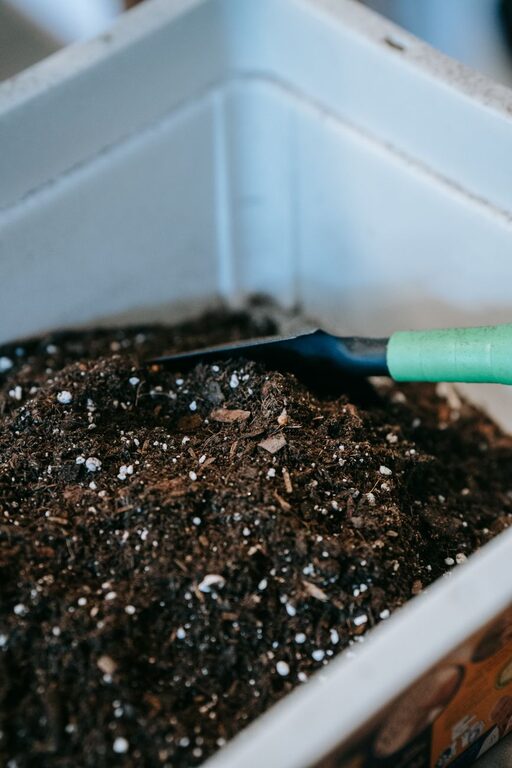
Composting is a fantastic way to reduce household waste while creating nutrient-rich soil that benefits your garden. If you’re new to composting, it might seem a little intimidating at first, but with a few simple tips and some patience, you can start turning kitchen scraps and yard waste into “black gold” right at home. This guide will walk you through the basics and provide helpful tips for successful composting.
What Is Composting?
Composting is a natural process where organic materials like food scraps, leaves, and grass clippings break down into a dark, crumbly soil-like substance called compost. This process is driven by microbes and small organisms that decompose the waste, transforming it into a valuable fertilizer for plants.
Why Compost at Home?
– Reduces Waste: Composting keeps a significant portion of your household waste out of landfills.
– Enriches Soil: Compost adds essential nutrients and improves soil structure.
– Saves Money: Reduces the need to buy commercial fertilizers.
– Eco-Friendly: Helps lower greenhouse gas emissions from organic waste.
Getting Started: What You Need
1. Choose a Composting Method
– Compost Bin: A backyard compost bin is a contained option ideal for most households.
– Compost Pile: Simply create a pile in a corner of your yard.
– Tumbler: A rotating container that makes mixing compost easier.
– Vermicomposting: Uses worms to break down organic waste indoors, great for small spaces.
Choose what fits your space, lifestyle, and commitment level.
2. Location and Container
– Place your compost bin or pile on bare soil to allow earthworms and microbes to access it.
– Pick a spot that’s convenient but not too visible.
– Ensure it has good drainage and partial sunlight to help the decomposition process.
What to Compost: Materials to Add
Compostable materials are divided into two categories: greens and browns.
Greens (Nitrogen-rich):
– Fruit and vegetable scraps
– Coffee grounds and filters
– Tea bags (without staples)
– Grass clippings
– Fresh garden trimmings
Browns (Carbon-rich):
– Dry leaves
– Straw or hay
– Shredded newspaper and cardboard
– Sawdust (untreated wood)
– Eggshells (crushed)
Aim for roughly three parts browns to one part greens for a balanced compost heap.
What NOT to Compost
Avoid adding these to your compost to prevent pests, odors, or harmful substances:
– Meat, fish, or dairy products
– Fats, oils, or greasy foods
– Pet waste
– Diseased plants or invasive weeds
– Treated wood or charcoal ash
– Synthetic chemicals
Tips for Successful Composting
1. Chop or Shred Materials
Cutting food scraps and yard waste into smaller pieces speeds up decomposition.
2. Maintain Moisture
Your compost should be as damp as a wrung-out sponge. Water it if it becomes too dry, but avoid soaking it.
3. Turn the Pile Regularly
Aerate the compost by mixing or turning it once a week or so. This introduces oxygen that helps microbes thrive.
4. Monitor Temperature
A warm compost pile breaks down materials faster. If it gets too cold, add more green materials and turn the pile to stimulate activity.
5. Be Patient
Depending on conditions, composting can take a few months to a year. Finished compost is dark, crumbly, and earthy-smelling.
Using Your Compost
Once ready, use your compost to:
– Improve garden beds by mixing it into the soil
– Top-dress lawns to nourish grass
– Potting mixes for indoor and outdoor plants
– Mulch around trees and shrubs
Troubleshooting Common Compost Problems
| Problem | Cause | Solution |
|——————-|—————————————-|———————————–|
| Foul odor | Too much green material or moisture | Add more browns and turn the pile |
| Attracting pests | Meat or dairy in pile | Remove offending items |
| Slow decomposition| Pile too dry or compacted | Moisten and turn the pile |
| Fruit flies | Exposed food scraps | Bury scraps under browns |
Final Thoughts
Starting composting at home is a rewarding and eco-conscious choice. By understanding the basics, maintaining a good balance of materials, moisture, and airflow, you can turn everyday waste into a valuable resource that supports your garden’s growth. Remember, every bit of composting you do helps reduce landfill waste and contributes to a healthier planet.
Happy composting!